


This post was created in partnership with Viral Nation
Data is at the center of social media marketing’s shift to AI. As social media generates an unprecedented volume of signals, brands need the right tools to build the intelligence infrastructure to turn that data into decisions and those decisions into measurable commercial growth.
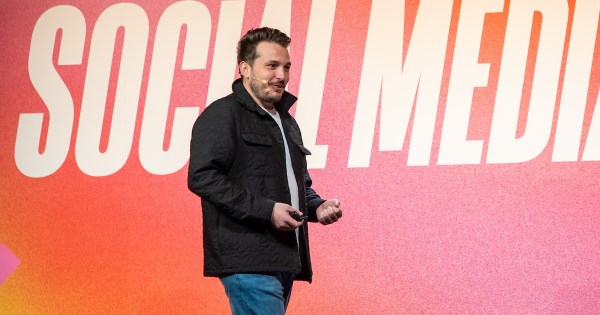
During a Social Media Week session co-hosted with Viral Nation, Joe Gagliese, founder and CEO of the social media marketing and creator agency, shared real-world examples of what’s possible for social media data using AI.
AI tools for large social media data sets
Viral Nation has 11 years of social media data. It’s ingested 1.4 million hours of social video, processed 34 million posts, and used multimodal intelligence and filtering to capture attributes.
Gagliese shared that Viral Nation now has one of the largest data sets in the world and uses it to run and build AI tools.
“AI is not a concept. AI is in full delivery, meaning large organizations like Viral Nation and others are already in market with large tools and big data sets,” he said. “That’s exciting, but the data is the most important piece to how you start to unlock the signals and social necessary to help you to win.”
Gagliese shared three of Viral Nation’s AI tools that help its customers leverage social media data.
Creator discovery intelligence
Gagliese explained that creator discovery is still largely manual today, relying on keyword and hashtag searches across millions of creators.
Viral Nation created a database of over 100 million creators globally. A campaign brief is uploaded, and the system qualifies creators using filtering and data points to find the right ones for a specific campaign.
Gagliese shared that since sourcing talent is a hard task, using AI to place creators for campaigns is a massive milestone.
Community management intelligence
Gagliese explained that AI works by turning community management into intelligence, intelligence into signals, and signals into sales.
“Viral Nation is now starting to hit momentum where we’re creating more revenue for our customers in community management than they’re paying us to do it. Because community management is where the people are. It’s where the customers are,” he said.
